Inside the Research Operations Behind ISC's Barrel Innovations
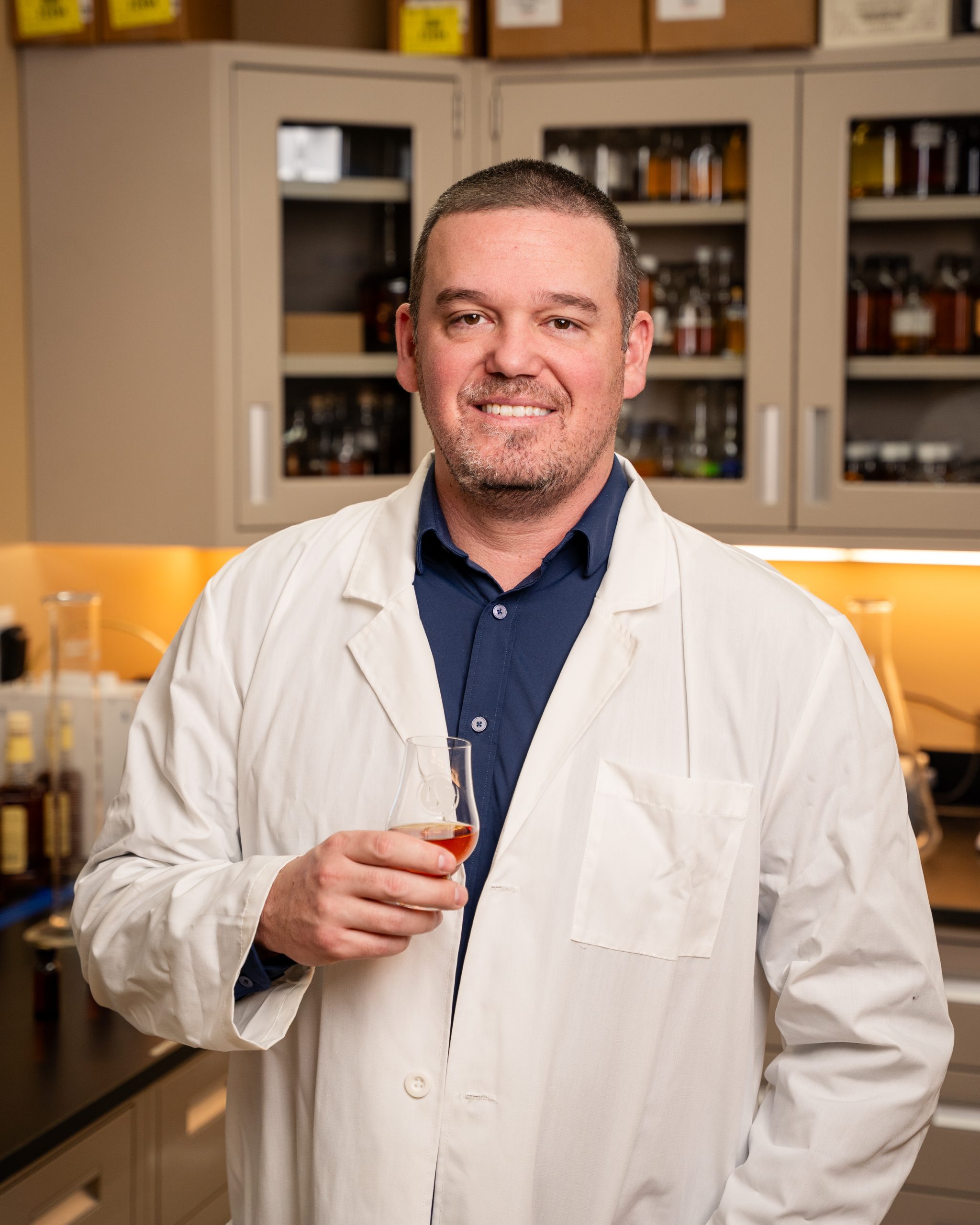
By Carrie Dow with Andrew Wiehebrink, Director of Spirit Research and Innovation
Artisan Spirit Magazine, Summer 2026
How many barrels of spirit does a craft distillery hold? 50? 100? 500? Andrew Wiehebrink of Independent Stave Company oversees between two and three thousand barrels stored all over the world in ISC’s experimental barrel program.
“It’s a big program,” he said understatedly.
Wiehebrink is ISC’s Director of Research & Innovation, an area the company asked him to develop when they hired him 10 years ago. Wiehebrink says ISC had a small experimental program back in the 90s with less than 100 barrels, but the program was paused until Wiehebrink arrived.
“When I came on, we made a strong push to get more barrels out there and that’s just continued,” he said. The experimental barrel program focuses on spirit maturation and flavoring with Wiehebrink and his team providing sensory analysis and the company’s global laboratories running in-depth chemical analysis on the spirits from those experiments. Some experiments are used to create new products and improve coopering methods.
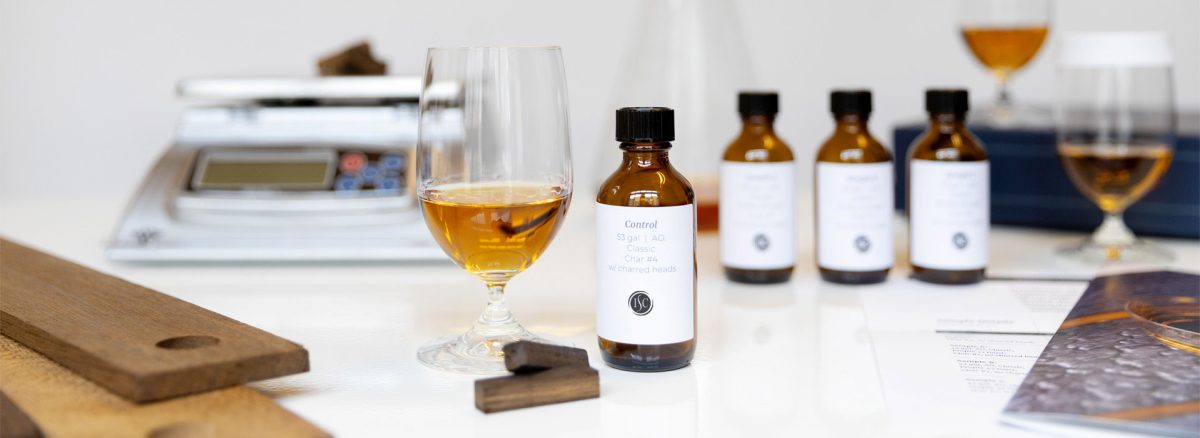
“At the beginning of the year, we set some goals and see what knowledge gaps we need to fill,” he said. Once they have that defined, they figure out which distilleries or locations in their customer base would best fit a particular experiment. Wiehebrink then calls the distillery to offer the barrels. The program is free for participants, but distilleries do have to draw from the barrels at regular intervals, take notes, send in samples, and other such tasks depending on the experiment.
“Obviously, there’s information we want to get from that experiment, but we hope the customer we ask to participate, we hope they get something beneficial out of it too,” he said. He says other experiments are designed to help distilleries troubleshoot barrel operation behind aging issues or try new ideas.
“Sometimes we’ll have a customer call and ask a question and, it happens quite often, we don’t know,” he admitted. “We’ve never tried that before. If the distillery is willing to accept some barrels, we’ll turn it into an experiment.”
He says they also separate the experiments into two types: Some are finishing experiments that last from a few months up to a year, others are new-fill experiments where they put new make into barrels for a minimum of four years. Many of these experiments have led to innovations and new products for the company.
“A lot of the innovations we market today were a thought that occurred four years ago,” he said.
For over 100 years, Independent Stave has been the go-to cooperage for wine and spirit producers, making products from American white oak from forest to barrel. While oak charring processes and cooperage techniques have been around for centuries, ISC has been helping US distillers perfect the barrel aging process since the 1950s.
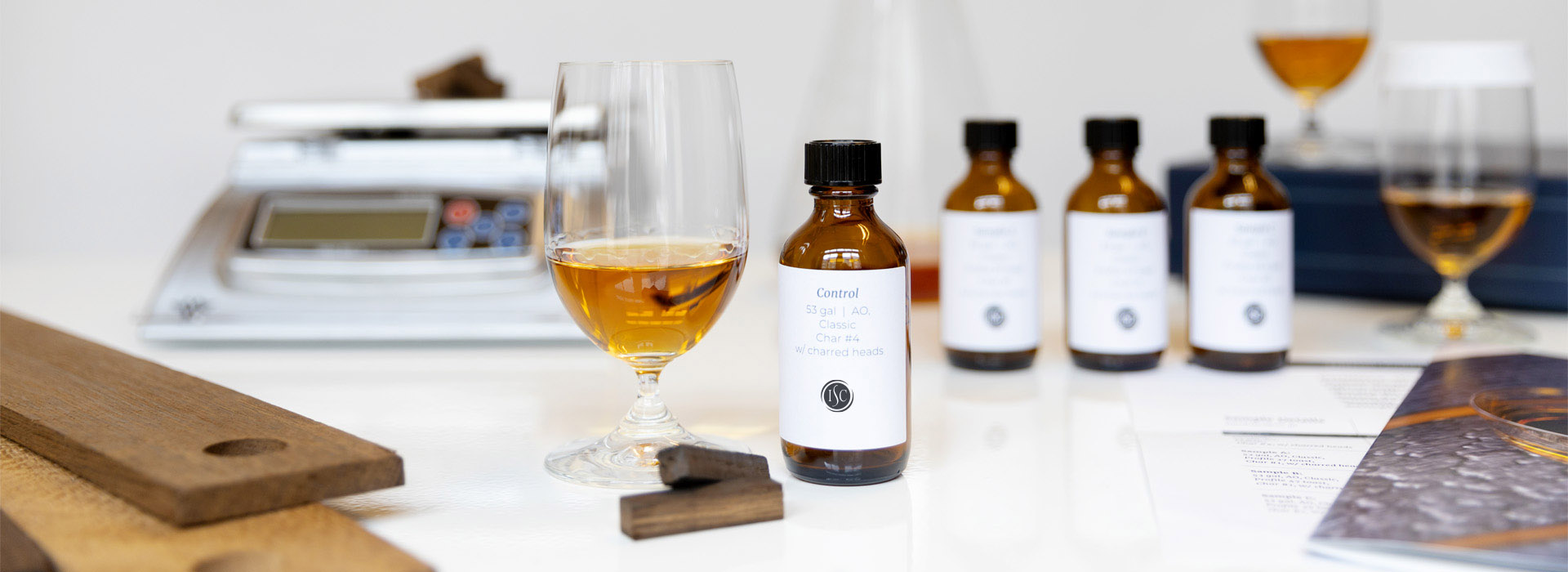
“We had a hand in getting the standardized char level in place,” he said of the barrel charring categories from light to heavy — Char 1-4. He also mentioned they have an experiment that’s been running for eight years with whiskey in a barrel without char or toasting, just raw wood.
“It doesn’t taste very good,” he noted. “The charring step is absolutely crucial for making sure that oak barrel is loaded with those yummy flavors. It is one of the most, if not the most important part of coopering, getting that char layer correct.”
Which leads to a question, why are barrels made from oak? What about other woods?
“It’s not the only wood you can use,” he explained. “For us, what makes oak special is that we have a lot of it in the US. Very easy to get and sustainable to harvest. It’s a relatively clean wood in the sense that it doesn’t have a lot of oil and resin in it. That keeps the off flavors down to a minimum, if not nothing.”
He says that white oak is not only strong, but also pliable and holds liquid. Other woods are difficult to bend into staves, and most will leak, even red oak, white oak’s cousin.
“White oak checks all those boxes,” he added.
And while most people in the US focus on barrel aging whiskey, Wiehebrink notes the global variety of spirits that benefit from time spent in oak barrels.
“I think people forget that tequila spends a lot of time in oak,” he said. “Rum in Barbados, they use a lot of oak. Some spirits like cachaça or pisco can also use oak. It’s kind of a work horse in that you can put just about anything in it, and it will impart those really great flavors that we see in whiskeys.”
“[Oak is] kind of a work horse in that you can put just about anything in it, and it will impart those really great flavors that we see in whiskeys.” — ANDREW WIEHEBRINK
Along with barrel research, Wiehebrink also works to develop new products like oak alternatives through an ISC umbrella company called Oak Solutions Group.
“I work closely with that group to develop and test new products,” he said. “They produce toasted chips and toasted tank staves. They are very popular and useful.” He says these oak alternatives became popular about 10 years ago when there wasn’t as much aged whiskey in the market, however, people at the time were skeptical.
“I think, consumers in particular, thought that was cheating a little bit,” he noted. “But as with anything, consumers get educated and they learn about it and they get more accepted.” He says oak alternatives are particularly useful for producers trying to diversify their products.
“There’s a lot of distillers out there that use it for creating different products from one liquid stream,” he said, helping distillers get more out of their spirit runs. “It’s a quick and effective method for doing that.”
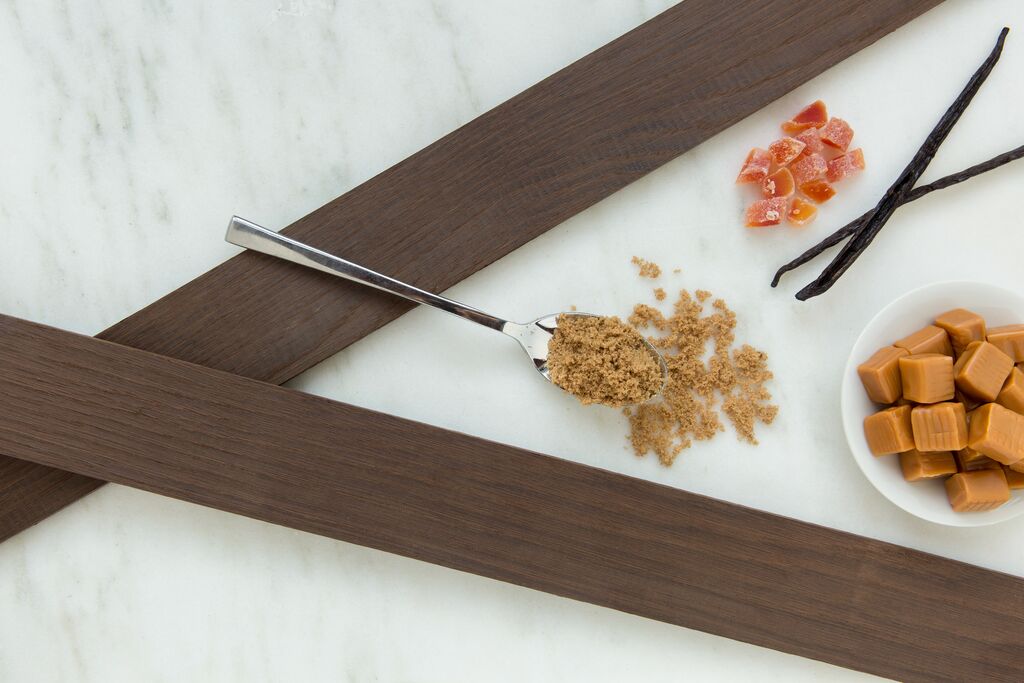
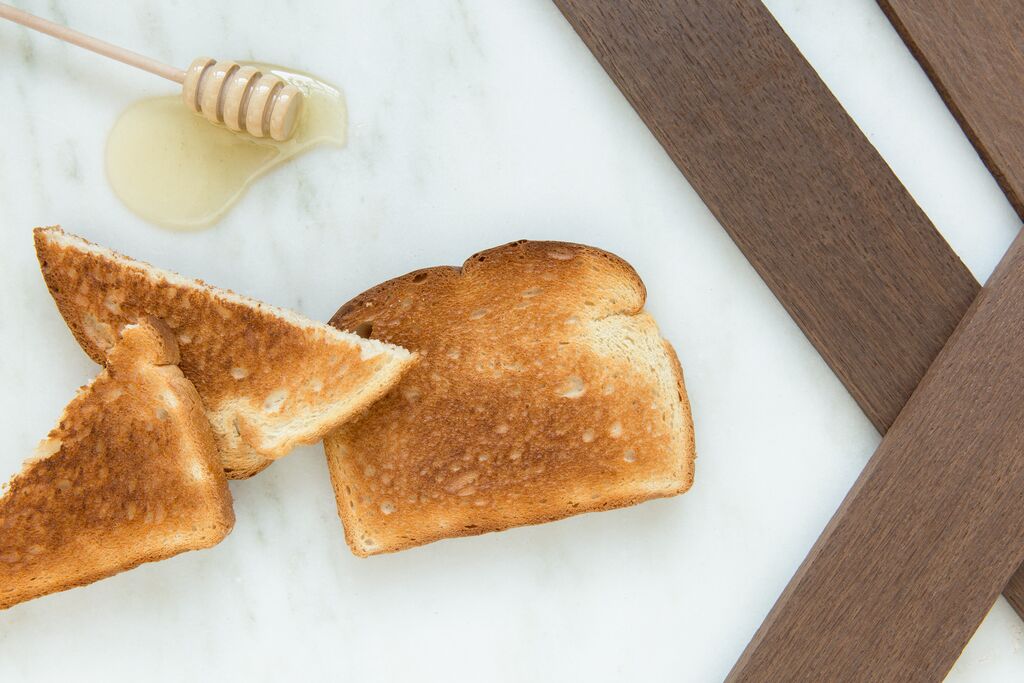
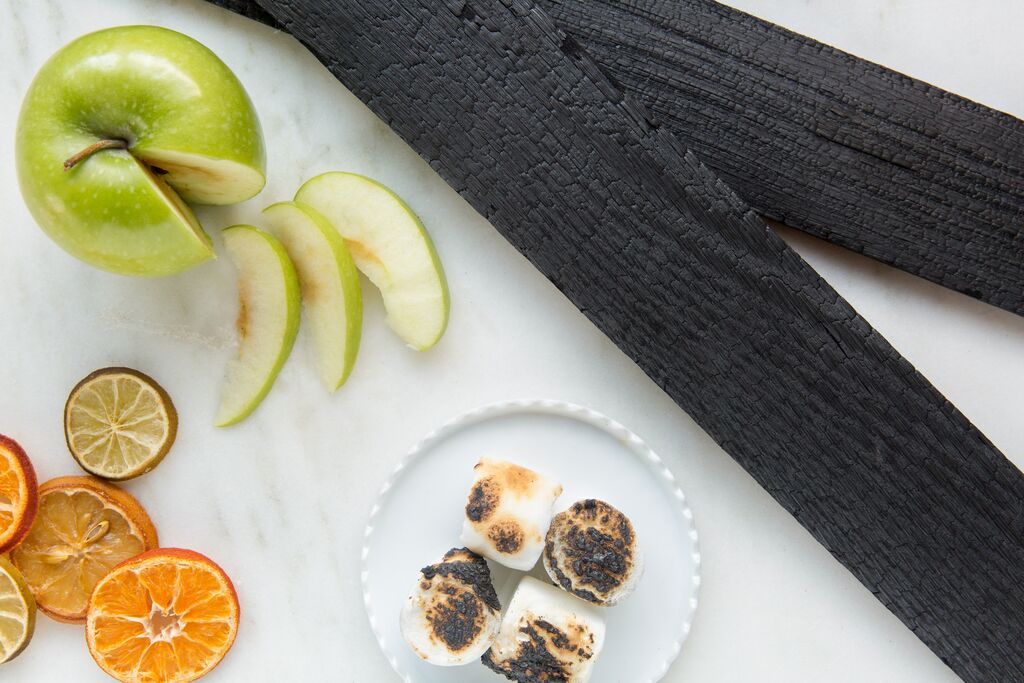
Wiehebrink wants distillers to know that if you partner with ISC for your barrels, he and his team are available to help you.
“We’re always happy to help distillers with any questions they have concerning aged product,” he explains. “We have a lot of analytical capabilities. We have a full-service lab in California that can look at it on a deeper level and see what’s going on. We’re always happy to help our partners troubleshoot.”
He says getting in touch is easy too.
“I have a direct contact on our website, ISCbarrels.com,” he said. “You click on the button that says ‘ask an expert.’ Those questions come directly to me.”
He adds that many distillers believe that ISC has large order minimums putting them out of reach for smaller businesses. Not true.
“We’ll sell one barrel at a time and we’re happy to do that,” he explained. “No minimum quantity. All barrels are built to order.”
Wiehebrink also works with distilleries to develop barrels to whatever specifications they want. An example is Chattanooga Whiskey in Tennessee. He says they spent almost a year working with the company developing the combination of toasted and charred barrels the distillers wanted.
“I work with all our customers directly including those guys,” he said. “They were totally open to trying something different than the industry standard, which is just plain Char 3, Char 4.”
“There are a lot of cool options out there when it comes to ordering a barrel,” he continued. “Char 4 is a great barrel, but it’s not the only one we make. It’s the most popular and the most well-known, but we’re eager to help.”
“We'll sell one barrel at a time and we're happy to do that. No minimum quantity. All barrels are built to order." — ANDREW WIEHEBRINK
He adds that the research center can also help with barrel selection for distilleries just starting out to achieve the flavor profiles they want for their products. And the best way to find flavor profiles is to sample the results of ISC’s research. “We’ve got over 2000 bottles in our whiskey library in Lebanon, Kentucky,” he said. “We’re eager to share all that whiskey and that information. Our R&D services come at zero cost for anyone buying barrels from us.”
A whiskey library with 2000 bottles? Can the public visit this library?
“Nope!” he said with a laugh. “Not open to the public. It’s only for our customers.”
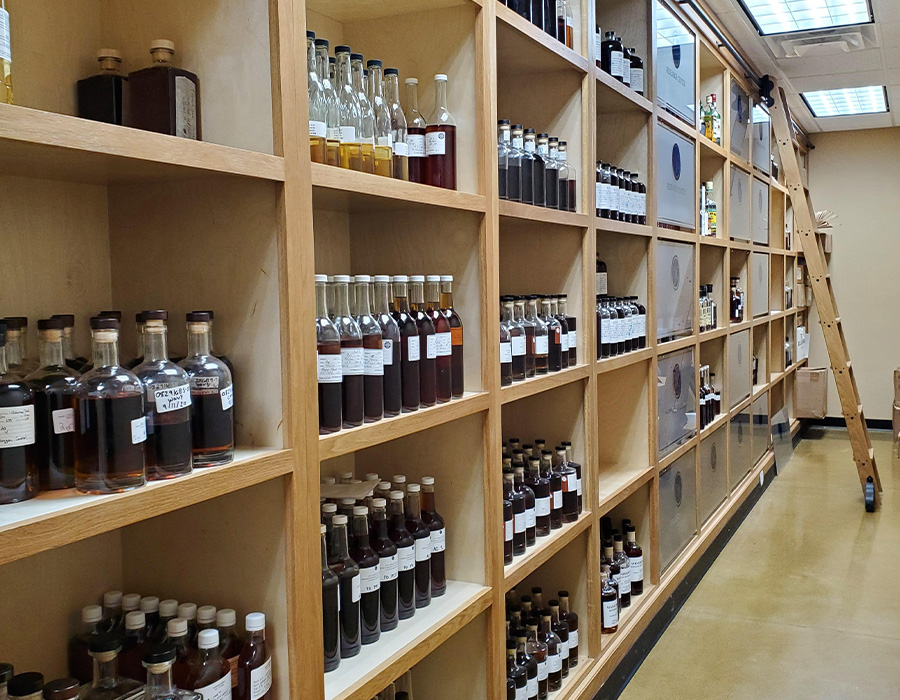
Andrew Weihebrink is the Director of Research and Innovation for Independent Stave Company.
Since joining ISC in early 2016, Andrew has pursued an ongoing focus by Independent Stave Company to support the needs of distilling customers through an extensive library of experiments, oak education seminars, and flavor development. He is based at the ISC Research Center in Lebanon, Kentucky.