
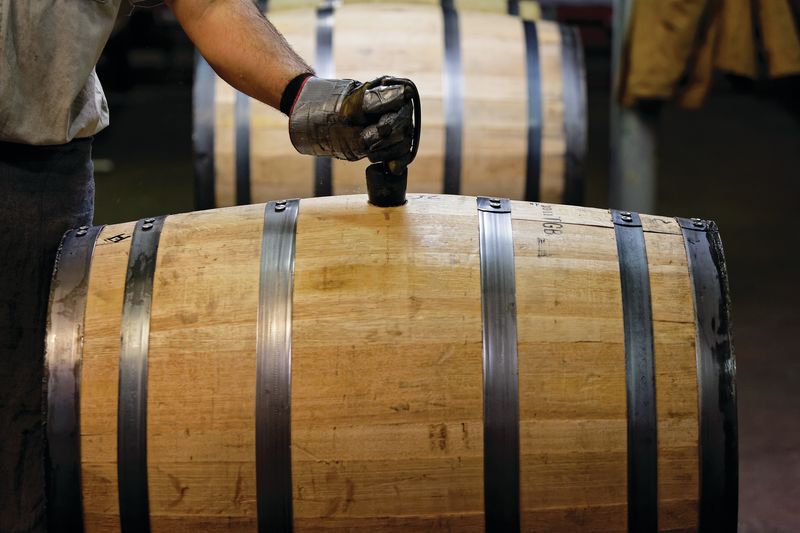
Celebrating National Forest Products Week
By ISC Barrels with Guest Contributor Jeffrey Lewis, Manager of Forestry and Land Management
The third week of October is National Forest Products Week and a time to celebrate the countless ways forests enrich our lives. From the air we breathe to the barrels that shape the flavor of bourbon, responsibly managed forests provide the foundation for so much of what we value.
Our work begins in the forest, where sustainable practices shape the quality of every stave we produce. In recognition of this week, we sat down with Jeffrey Lewis, our Manager of Forestry and Land Management, to talk about how ISC is investing in healthy, resilient forests through our Certified Land Management Program and beyond.
You spent 35 years with the USDA Forest Service before joining Independent Stave Company. How did that transition from federal forestry to private sector shape your perspective on sustainable forestry?
What’s been most intriguing is seeing how sustainability is driven by customer desire in the private sector (versus regulatory fiat on the federal level). The motivation is different, but the goal is the same- a healthy, thriving forest for the future.
I see that same commitment in our team, especially our newest Forester, Ren Stevens, whose background in Natural Resource Management and Forestry from the University of Missouri reflects the next generation’s balanced view of forestry as a bridge between wood products and recreational land use.
Can you describe some of the ways ISC ensures wood sourcing best practices along with protecting forest health and biodiversity?
We take an integrated approach to caring for the forests that provide our wood. All ISC owned forestlands are managed under professional, third-party reviewed plans, that not only address potential impacts but also include steps to enhance the forest. As we put the plans into action, we rely on employees and contractors who are trained to assess and address (both protecting and enhancing) forest health and biodiversity.
We uphold these same standards when we assist private landowners through our Land Assistance Program (currently available in Kentucky and Missouri) and our long-standing Preferred Supplier Program- that recognizes and rewards timber harvesters for following sustainable practices across all lands supplying wood to ISC.
It sounds like you are alluding to our Certified Land Management Program. Can you explain what that is?
Our Certified Land Management Program provides owners of forestland in Kentucky and Missouri an opportunity to enhance the forests on their property. Projects may include timber harvest, tree planting, control of non-native plants, thinning of small trees to enhance growth and many other treatments to improve forests.
The program has two main parts:
- First, all ISC owned forestlands are certified as sustainably managed through the Center for Forest and Wood Certification at the University of Kentucky. These properties are regularly audited to make sure they continue to meet certification standards.
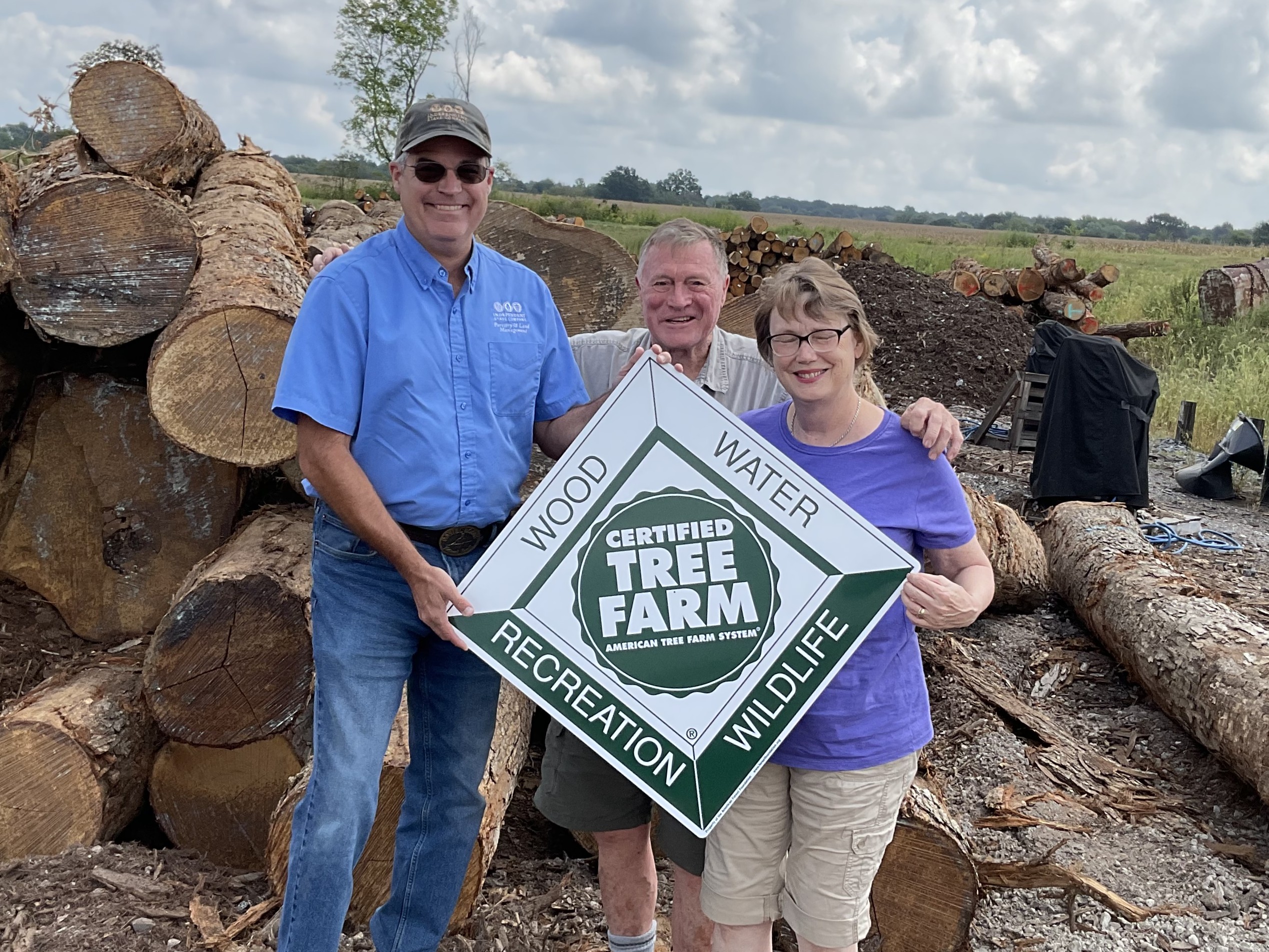
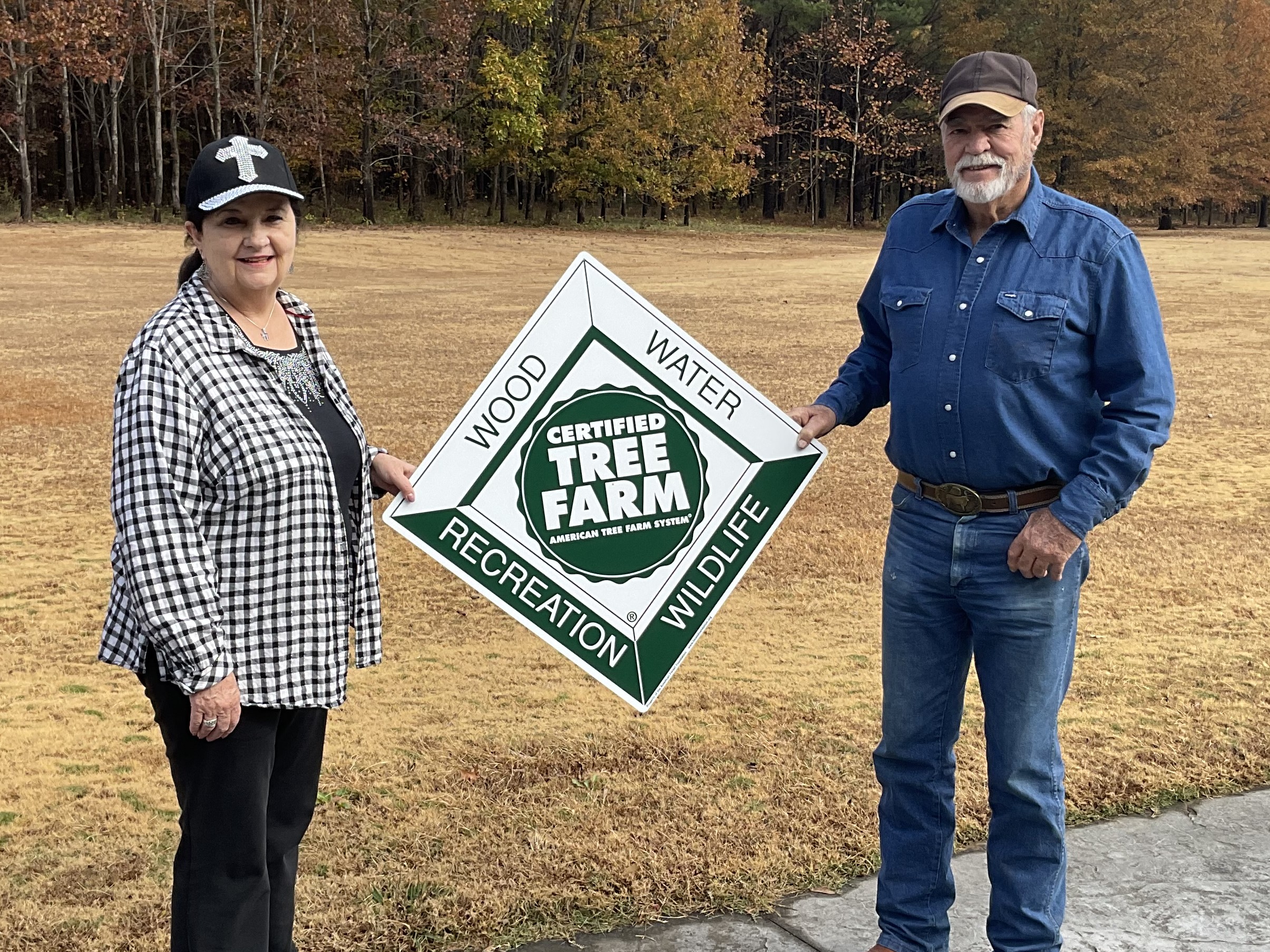
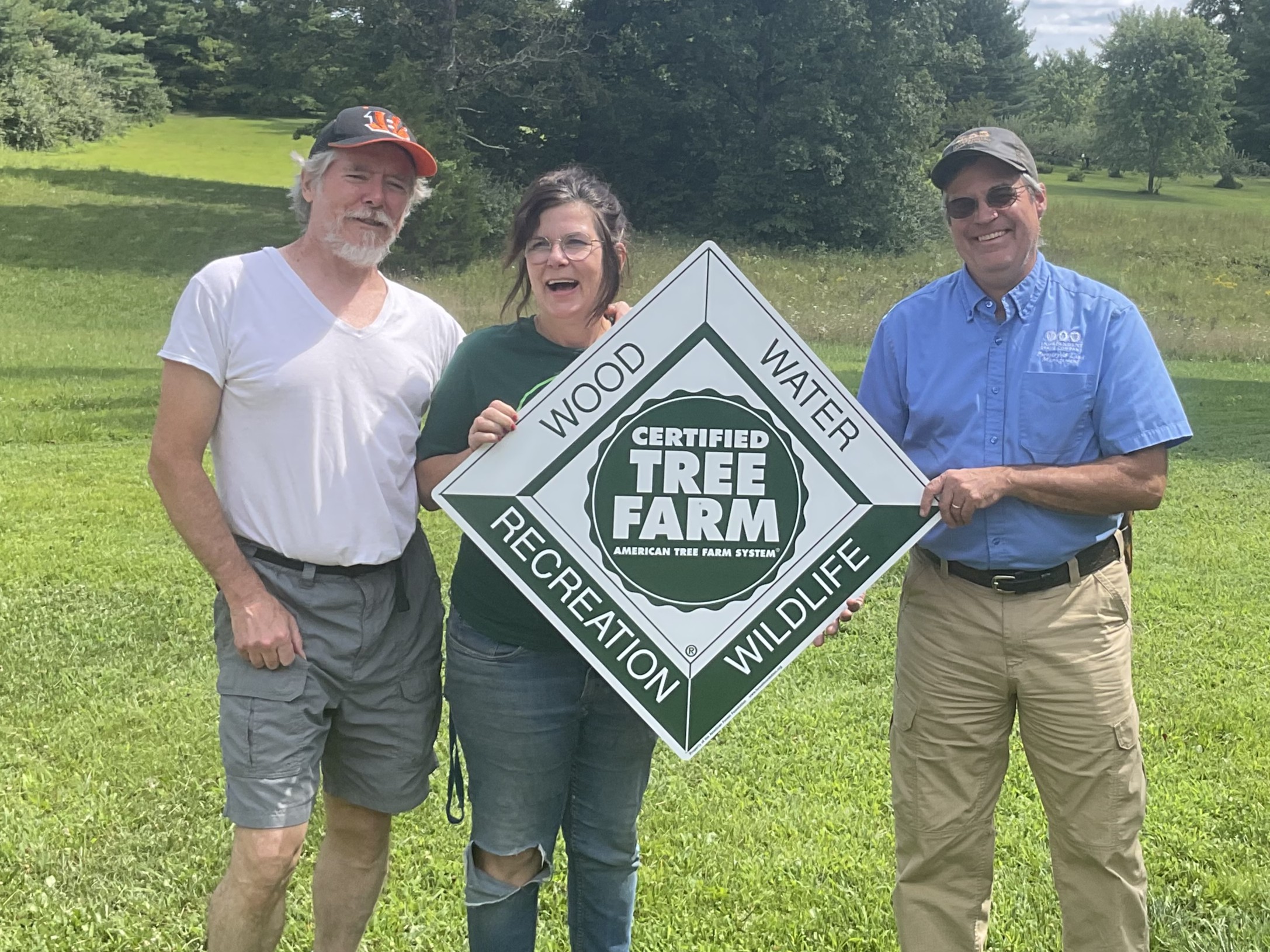
- Second, through our Land Assistance Program, we encourage private landowners to pursue certification and help them by preparing management plans and inspecting properties for certification. (Every member of ISC’s Forestry and Land Management Division is a Certified Tree Farm Inspector.)
In both cases, certification means the land is managed according to professional standards set by organizations like the Sustainable Forestry Initiative (SFI) or the American Tree Farm System (ATFS).
Those standards ensure compliance with laws, protect rare species and cultural sites, and promote healthy, diverse forests. Landowners who join these programs also agree to periodic audits to ensure they’re following through on their commitments and truly “walking the walk.”
What standards or best practices must landowners follow to be part of ISC’s Certified Land Management Program?
Landowners must be enrolled in a certification program with third-party auditing (most often through the ATFS). In short, they’ll need to:
- Have a professionally prepared management plan (which ISC can help develop) that guides forest management for at least ten years.
- Conduct regular monitoring to measure progress and adjust for things like storm damage or natural changes.
- Keep records of activities to show the work aligns with their plan.
- Use qualified professionals (foresters, loggers, and contractors) to carry out management activities.
- Agree to periodic reviews by certification auditors.
Can you share an example of how the Certified Land Management Program has made a measurable difference?
We recently worked with a landowner who had about 150 acres of forestland. He and his wife came to us for help planning a timber harvest that could help fund the construction of their home- without taking on a loan.
We developed a harvest plan that met their financial goals while keeping the forest healthy and productive. Thanks to the plan, they’ll be able to conduct another sustainable harvest in about 10 to 15 years, if needed. Shortly after, they were recognized as Kentucky Tree Farmers of the Year and are a testament to responsible forest management done right.
During National Forest Products Week, what message do you hope people take away about the value of forests and forest products?
Forest products really are the ultimate renewable resource. They not only provide materials we rely on for homes, furniture, barrels, and so much more; but provide us with clean air, wildlife habitat, recreation, natural beauty, and protection for our planet unlike any other renewable resource.
Additional Resources:
- Details related to the American Tree Farm System’s program can be found here.
- Click here to download Independent Stave Company's Wood Certification Brochure.
- Learn more about ISC's sustainability initiatives online at www.iscbarrels.com/about/#sustainability.
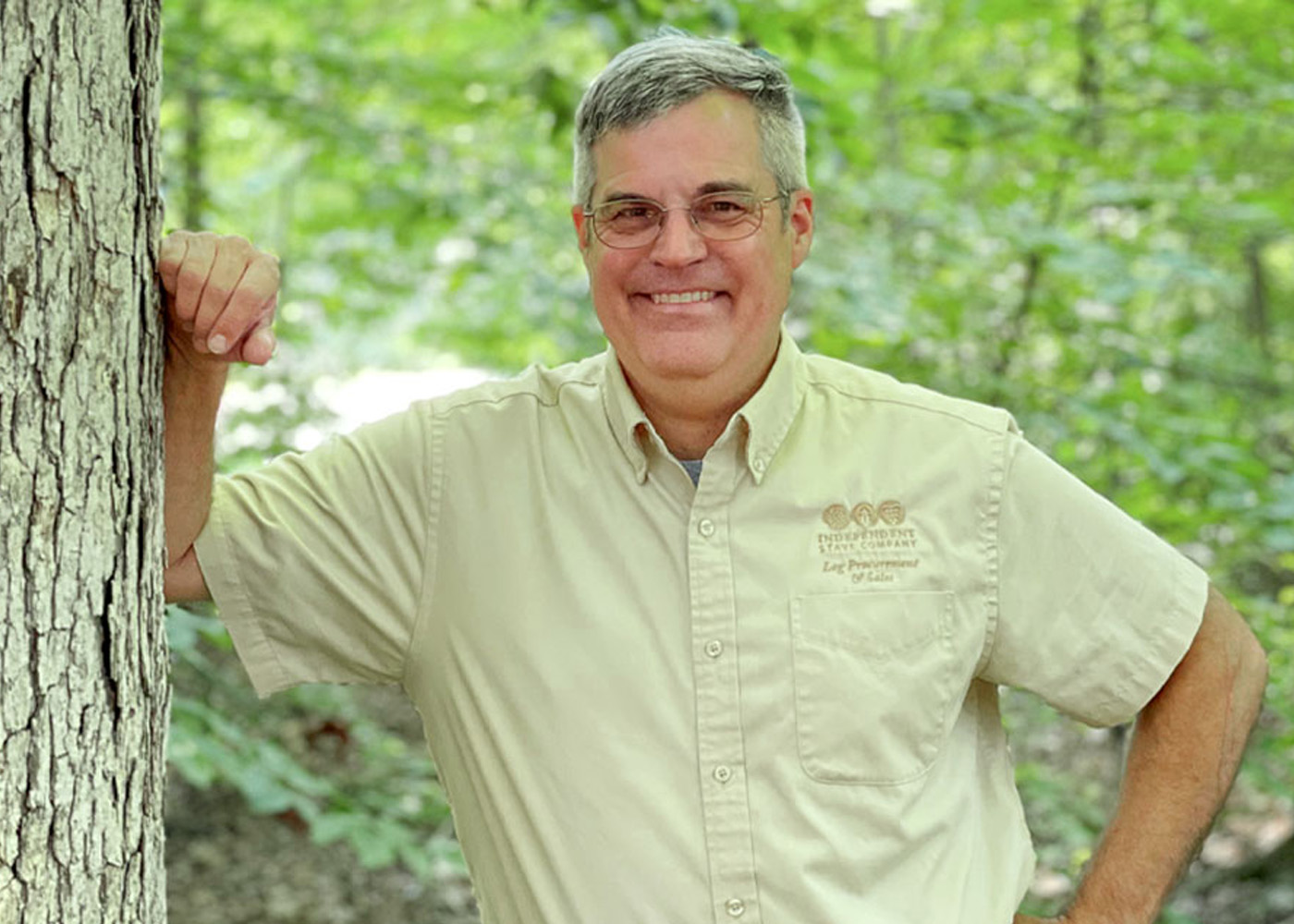

Jeffrey Lewis
Manager of Forestry and Land Management, Kentucky
Ren Stevens
Forester, Missouri